Villas for rent in Tuscany Tours: Wine, Villas & Private Experiences

Best Time to Visit September-October (harvest), April-May (spring)
Recommended Duration 7 days (minimum 5)
Starting From €350/day per person
Top Experiences Wine Estates, Truffle Hunting, Cooking Classes, Villa Stays, Hill Towns
Getting There Florence (FLR) or Pisa (PSA), 90 min from Rome by Frecciarossa

Why Does Tuscany Reward Private, Guided Exploration?

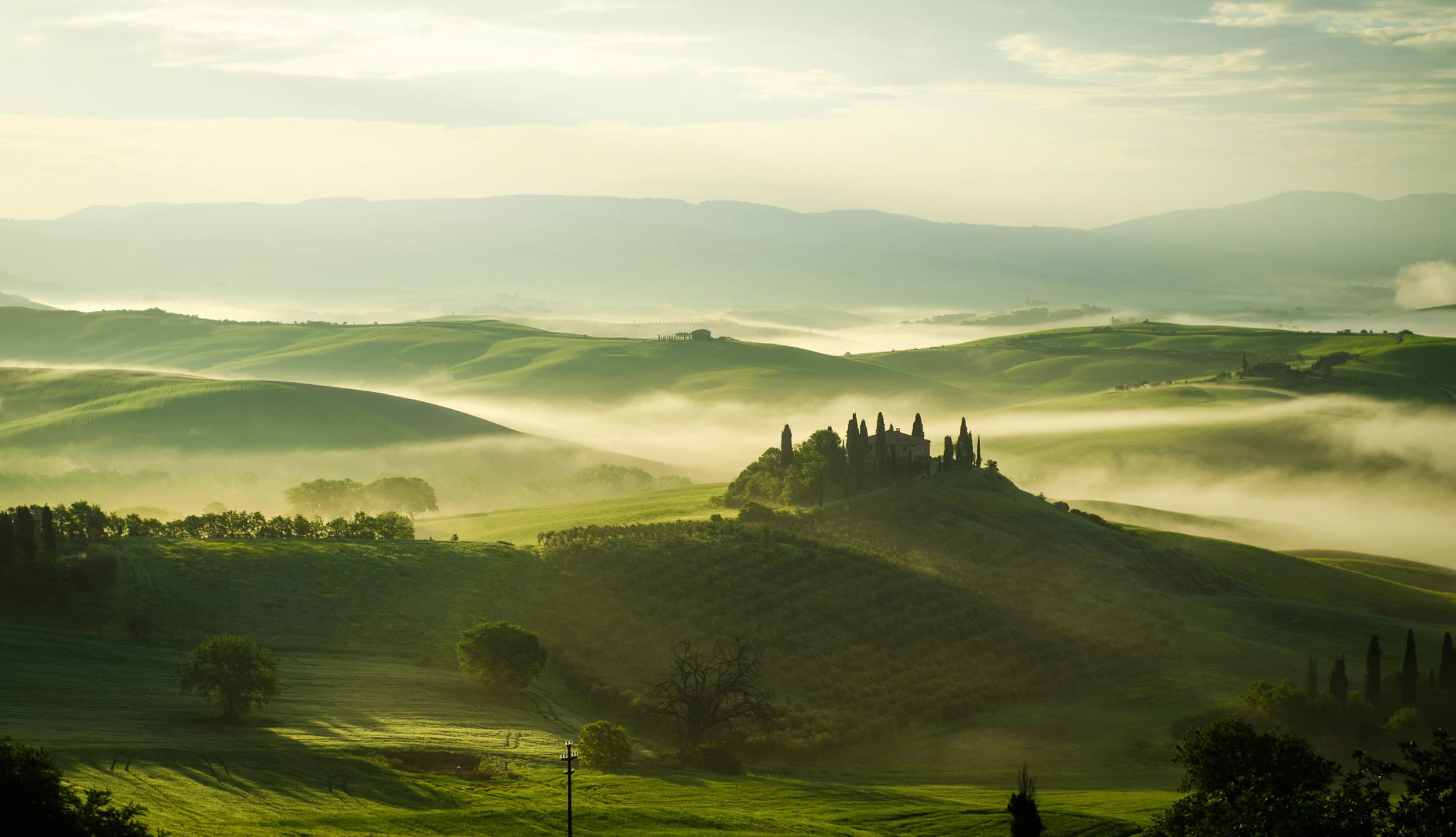
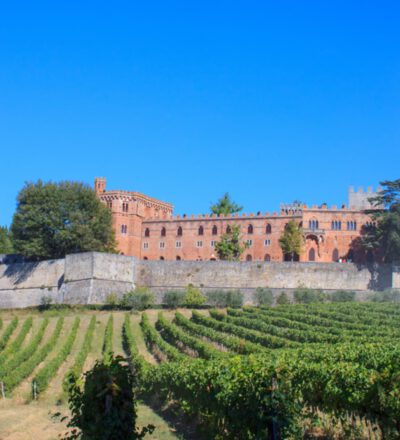
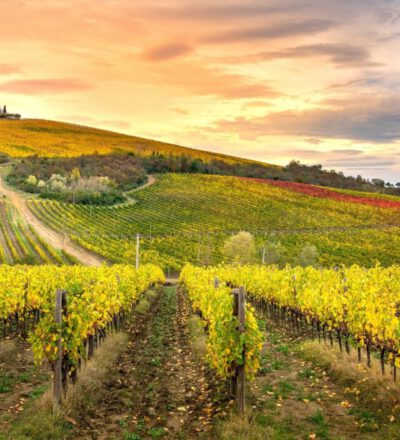
The Tuscany of postcards exists. Cypress alleys climbing golden hills, medieval towers against sunset skies, vineyard rows stretching toward the horizon. But what transforms a trip from scenic to significant is understanding that this region contains multitudes. The forested hills of Chianti, dense with vineyards and castle estates, feel nothing like the wide-open drama of Val d’Orcia. The artisan workshops of Florence operate in a different universe than the truffle woods of San Miniato. A private Tuscany tour lets you move between these worlds on your own schedule.

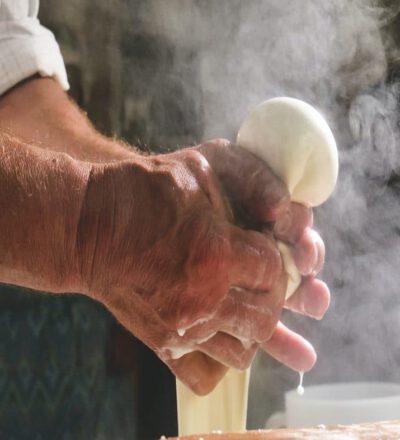
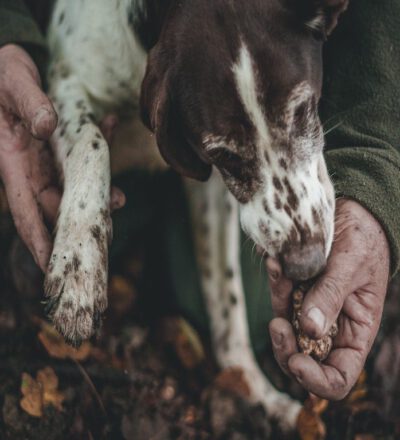
We have been designing itineraries here for two decades, long enough to know which winemakers actually welcome visitors into their cellars versus which run tourist-facing operations. Our wine experiences focus on family estates where the person pouring your Brunello is often the person who made it. For travelers who want to go deeper, truffle hunting with trained Lagotto dogs reveals a side of Tuscan food culture that restaurants can only hint at.

The cooking class circuit in Tuscany ranges from assembly-line tourism to genuine instruction, and the difference between the two is obvious from the moment you walk through the door. We work with a Michelin-starred chef who teaches pasta-making in a medieval kitchen, and with family matriarchs in farmhouse kitchens where recipes have not changed in three generations. The difference shows up on your plate and in what you remember years later.

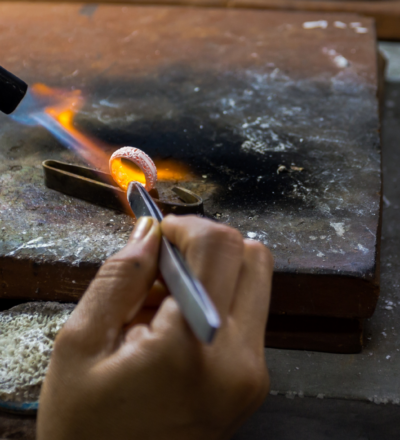
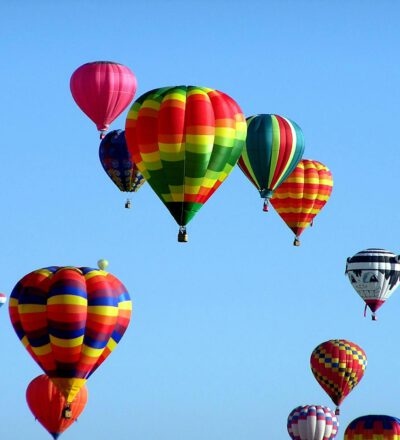
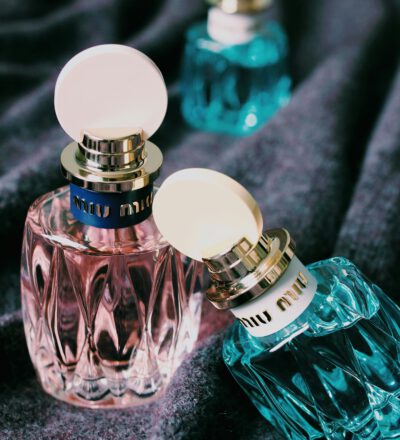
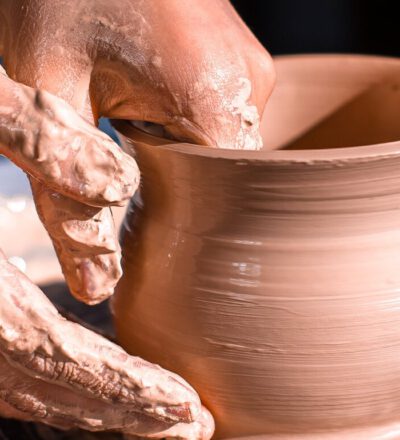
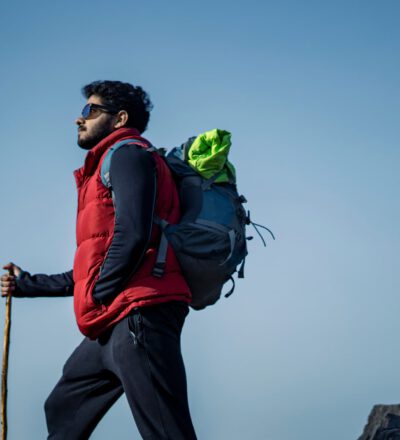
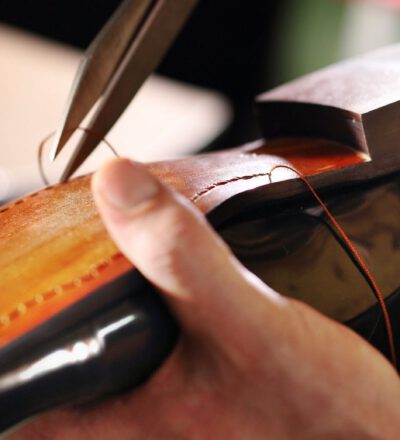
Beyond food and wine, Tuscany rewards travelers who look past the obvious and venture into territory that most guidebooks ignore entirely. The Via Francigena pilgrimage route crosses the region with trails that medieval pilgrims walked to Rome. Hot air balloon flights over Chianti at dawn offer perspectives no hilltop restaurant can match, and the silence at that altitude makes the rolling vineyards below feel like a private painting hung just for you. Artisan workshops in Florence still teach silverwork, leather craft, and perfumery to those willing to spend a morning learning rather than shopping.

Which Part of Tuscany Is Right for You?

Most visitors treat Tuscany as a single destination, but it is not. The region contains at least four distinct territories, each with its own character, wines, cuisine, and pace of life that makes it feel like visiting four different countries rather than four corners of the same one. Understanding the differences before you arrive saves time and ensures you see the Tuscany that matches what you actually want from your holiday.

Sub-Region Character Best For Key Wines From Florence
Chianti Forested hills, castle estates, dense vineyards Wine touring, villa stays, romantic escapes Chianti Classico, Super Tuscans 45 min
Val d’Orcia UNESCO rolling hills, cypress roads, medieval borghi Photography, slow travel, Brunello tasting Brunello di Montalcino, Vino Nobile 90 min
Florence Renaissance art, artisan quarters, urban energy Museums, workshops, Michelin dining, shopping Chianti Rufina City centre
Maremma Coast Wild coastline, thermal springs, Etruscan ruins Beach days, Saturnia terme, off-the-beaten-path Morellino di Scansano 2 hours

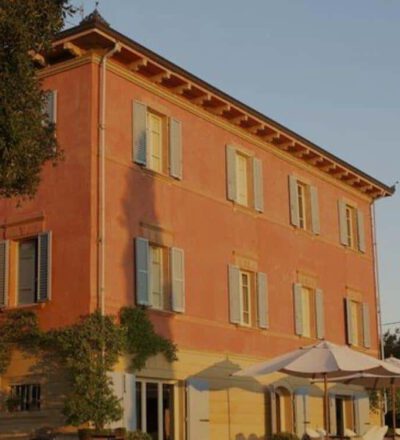
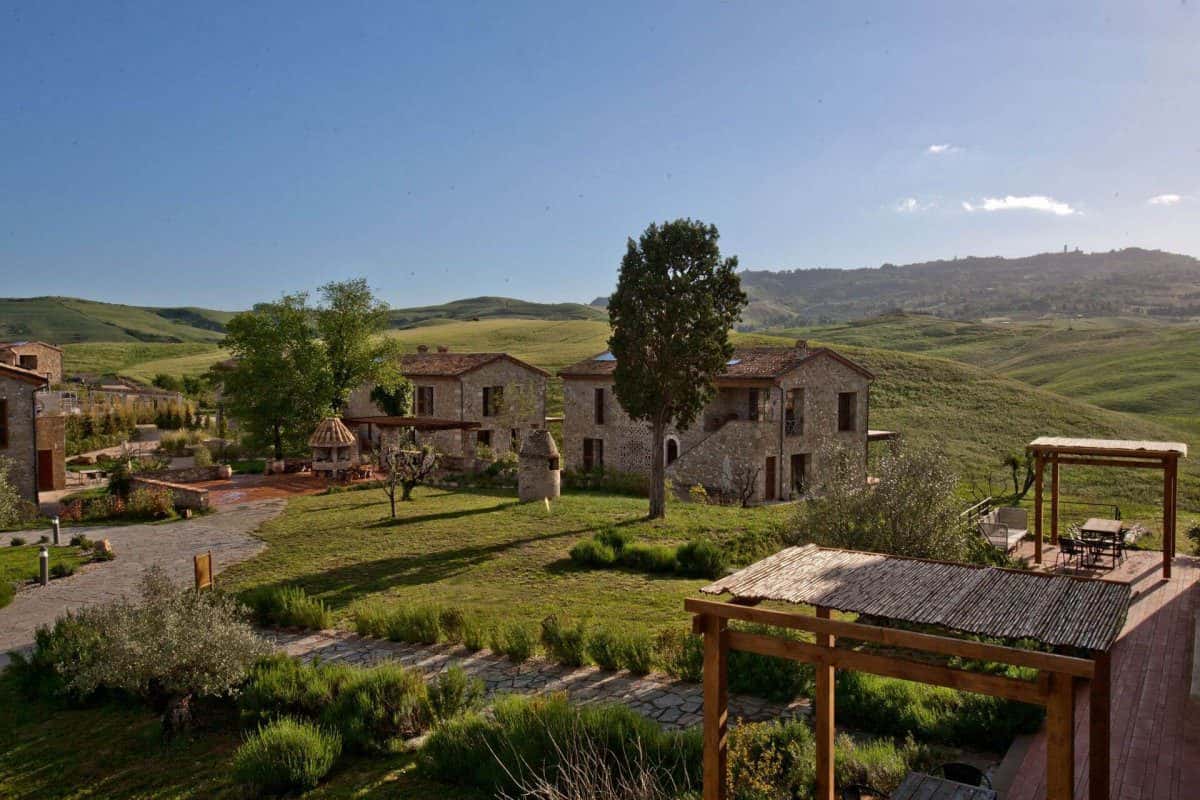
Most travelers combine Tuscany with neighbouring Umbria for contrast: greener, quieter, less discovered. Others extend south to Rome or north to the Italian Lakes. For those who want to settle in rather than tour, our villa rentals include a converted monastery with vineyard views and a historic estate with private chef service.

How Do You Get Around Tuscany?

This is the question that determines the quality of your entire trip, and it is the one most travelers answer incorrectly. The Tuscan countryside has limited public transport outside the Florence-Siena train corridor, which means you need either a rental car or a private driver to reach the vineyards, hill towns, and farmhouse restaurants that make this region special.

Rental cars are cheaper, but they come with a specific set of problems that catch visitors off guard. Every historic town centre in Tuscany has a ZTL (Zona a Traffico Limitato), a restricted traffic zone monitored by cameras. Enter one without a permit and you receive an automatic fine of €50 to €100 per violation. Tourists regularly accumulate three or four fines in a single day without realising it. The roads between hill towns are narrow, poorly signed, and shared with local drivers who know every curve. And wine tasting is incompatible with driving, full stop.

A private autista or guided tour eliminates every one of these problems and transforms the logistical burden into invisible background work. Your driver handles the ZTL permits, knows the back roads that avoid tourist traffic, and waits patiently while you spend two hours in a cantina tasting Brunello without watching the clock. The per-person cost for a group of four (€80 to €125 each for a full-day driver) is less than most people expect, especially when you factor in the rental car fees, insurance, fuel, parking charges, and potential ZTL fines that accumulate faster than you can track them.

What Is the Best Time to Visit Tuscany?

September and October are the best months for Tuscany. The vendemmia (grape harvest) is underway, summer crowds have departed, and temperatures settle between 17 and 25 degrees Celsius, which is comfortable enough for both vineyard walks and city exploration. These are the months when the region feels most alive: winemakers are working in the vigna, new-season olio is being pressed at frantoi across the hills, and the San Miniato truffle festival draws food lovers from across Europa to the most anticipated culinary gathering of the Tuscan calendar.

Season Months Temp Range Crowd Level Best For
Spring April-May 15-24°C Moderate Wildflowers, green hills, outdoor dining, Easter festivals
Summer June-Aug 28-35°C Very High Villa pool stays, Palio di Siena (July 2 and Aug 16), long evenings
Autumn Sep-Nov 12-25°C Low to Moderate Vendemmia, truffle season, new olive oil, harvest festivals
Winter Dec-Feb 3-12°C Very Low Thermal baths, Christmas markets, Florence without crowds, winter truffles

I should mention the Palio di Siena, because nothing else in Italia compares to it. This bareback horse race around the Piazza del Campo happens twice each summer (July 2 and August 16) and is not a tourist event. It is a genuine civic obsession that has consumed Siena’s seventeen contrade (neighbourhoods) since the 1600s. Attending requires planning months ahead. We arrange contrada-hosted viewing positions and dinners that give you access to the event as Sienese families experience it, not as spectators behind a barrier.

Which Hill Towns Should You Visit?

Tuscany has dozens of borghi worth visiting, but these six are the ones our clients return home talking about, each for entirely different reasons that reflect different aspects of what makes this region so layered.

San Gimignano is the medieval Manhattan: fourteen stone towers surviving from an original seventy-two, built by rival families competing for status in the thirteenth century (arrive early morning before the day-trip coaches from Florence descend on the piazza). Montepulciano hides wine cellars beneath Renaissance palazzi, and the Vino Nobile tastings in underground tufa caves are among the most atmospheric in the region. Pienza was redesigned in the fifteenth century as an “ideal city” by Pope Pius II, and today it produces the best pecorino in Toscana with Val d’Orcia views from every terrace trattoria.

Volterra predates Rome by several centuries, and its Etruscan walls and alabaster workshops operate in the same buildings where craftsmen have worked since long before the Renaissance. Cortona sits high above the Valdichiana with panoramic tramonti and a surprisingly strong contemporary art scene that draws collectors from across Europe. Montalcino is where Brunello was born, and the fortezza at the top of the town offers tastings from dozens of producers in a single afternoon, saving you days of driving between individual cantine.

A private driver can connect three or four borghi in a single day with a pranzo at a farm restaurant between stops, turning what would otherwise be a logistical headache of parking and one-way streets into an unhurried day of discovery.

Where Should You Eat in Tuscany?

Tuscan cooking is founded on a principle that Romans share but execute differently: the fewer the ingredients, the more each one matters. A ribollita is bread, beans, cavolo nero, and olive oil. A bistecca alla fiorentina is a Chianina T-bone, salt, fire, and nothing else. The quality of the raw materials determines everything, which is why the best meals in Toscana happen at farm restaurants (agriturismi) where the vegetables were picked that morning and the olive oil was pressed from trees visible through the dining room window.

For Michelin-level dining, Florence holds the concentration: Enoteca Pinchiorri (three stars, one of only thirteen tre stelle in all of Italia), La Leggenda dei Frati in the hills of Fiesole, and Il Palagio at the Four Seasons. In the countryside, seek out Arnolfo in Colle di Val d’Elsa (two stars) and the single-starred restaurants scattered through Chianti and the Maremma coast. But I will tell you what I tell every client: save your most memorable meal for a farmhouse table where the nonna still makes the pasta by hand and the wine comes from the vineyard you can see from your chair.

Sample Tuscany Itineraries

Tuscan Highlights: 5 Days

From €2,800 per person

Two nights in Florence (Uffizi with art historian, artisan workshop, Oltrarno neighbourhood walk), then three nights in Chianti countryside villa (full-day wine tour of three estates, cooking class with local famiglia, half-day in San Gimignano and Volterra). Private trasferimento throughout.

The Complete Tuscany: 8 Days

From €4,500 per person

Two nights Florence, three nights Chianti, three nights Val d’Orcia. Adds Brunello tastings in Montalcino, truffle hunting near San Miniato, Pienza and Montepulciano day, Saturnia thermal baths afternoon, and Siena walking tour with local storica. Villa or boutique hotel accommodation throughout.

All itineraries fully customisable. Prezzi based on double occupancy, four to five star sistemazione. View all our luxury Italy tours.

Frequently Asked Questions

How many days do you need in Tuscany?
Seven days allows comfortable time for Florence (2 days), the Chianti wine region (2 days), and Val d’Orcia with Siena (3 days), which gives each area the breathing room it deserves rather than the rushed windshield touring most visitors default to. With 10 to 14 days, you can add the coast near Grosseto, the thermal baths of Saturnia, or extend into Umbria for a change of character and pace. Rushed three-day itineraries exist, but you will spend more time in transit than absorbing what makes this region worth visiting.
What is the best time to visit Tuscany?
September and October hit the sweet spot for visiting Tuscany: grape harvest underway, summer crowds gone, temperatures comfortable for both wine touring and city walking (17 to 25 degrees Celsius). April and May offer wildflowers and green landscapes before summer heat arrives, making them the best alternative for travelers who cannot visit in autumn. July and August work for villa stays with pools, but expect 35 degree days and Florence packed with tour groups.
Is Chianti or Val d’Orcia better?
Different experiences entirely. Chianti means forested hills, dense vineyard coverage, and castle estates closer to Florence (45 minutes), and the atmosphere feels more intimate and contained. Val d’Orcia delivers the iconic postcard Tuscany: wide-open rolling hills, cypress-lined roads, hilltop villages that seem to float above morning mist. It is UNESCO-protected for a reason, and most travelers benefit from seeing both since they are only 90 minutes apart.
How much does a private Tuscany tour cost?
Budget €350 to €500 per person daily for quality private experiences including accommodation, guided activities, and most meals. A full-day private wine tour runs €250 to €400 per person. Truffle hunting with lunch costs €180 to €350. Michelin-starred cooking classes start around €250. Villa rentals range from €300 per night for a restored farmhouse to €2,000 or more for estates with staff.
Should we stay in Florence or the countryside?
Both, ideally. Florence deserves 2 to 3 nights for the Uffizi, Duomo, and artisan quarters, because these require time rather than day-trip drive-bys. But the real Tuscan experience happens in the countryside: waking to vineyard views, long lunches at farm restaurants, evening walks through medieval villages. Split your stay between Florence and a Chianti or Val d’Orcia base for the best of both worlds.
Do I need a car to get around Tuscany?
The countryside has limited public transport outside the Florence-Siena train corridor, so you need either a rental car or a private driver to reach the vineyards, hill towns, and farm restaurants that define the Tuscan experience. Rental cars are cheaper but come with serious challenges that catch most visitors off guard: ZTL restricted zones in every historic town centre carry automatic fines of €50 to €100 per violation, the roads are narrow and poorly signed, and wine tasting is simply incompatible with driving. A private driver eliminates all of these problems and lets you actually enjoy the wine, which is presumably the reason you came to Tuscany in the first place.
What wines should I try in Tuscany?
Brunello di Montalcino is the flagship: 100% Sangiovese, aged minimum five years, a serious wine for serious collectors that commands €40 to €200 or more per bottle depending on the producer and vintage. Chianti Classico offers more accessibility and variety at a fraction of the price, while Vino Nobile di Montepulciano bridges the two styles with elegance and structure. For something different, seek out Vernaccia di San Gimignano (white) or Morellino di Scansano (coastal red), both of which deserve more international attention than they currently receive. Our wine experiences focus on small producers rather than commercial operations.
What are the best hill towns in Tuscany?
San Gimignano for its medieval towers, Montepulciano for wine cellars beneath Renaissance palazzi, Pienza for pecorino cheese and Val d’Orcia panoramas, Volterra for Etruscan history and alabaster workshops, Cortona for art and panoramic sunsets over the Valdichiana, and Montalcino for Brunello tastings in the fortezza. Each borgo deserves at least half a day of unhurried exploration, and a private driver can connect three or four in a single day with a long lunch at a farm restaurant between stops.
When is truffle season in Tuscany?
White truffle season runs from October to December, centred around San Miniato which hosts one of Italy’s most famous truffle festivals in November and draws collectors willing to pay €3,000 or more per kilogram. Black summer truffles are available June through August at more accessible prices, while the prized black winter truffle (tartufo nero pregiato) appears from December to March. We arrange private hunts with trained Lagotto Romagnolo dogs followed by a multi-course pranzo prepared entirely with the morning’s harvest, which is one of the most memorable culinary experiences we offer in any Italian region.
Is Tuscany good for families with children?
Tuscany is one of the best Italian regions for families. Villa stays with private pools solve the accommodation question entirely. Children enjoy pizza and gelato-making classes, farm visits with animals, cycling through vineyards, and swimming at natural hot springs in Saturnia. The pace of countryside Tuscany suits families better than city-hopping. We design family itineraries with a mix of active mornings and relaxed pool afternoons.
How do I get to Tuscany from Rome or Milan?
Florence is 90 minutes from Rome by Frecciarossa high-speed train or under 3 hours from Milan, making it one of the most accessible regions in all of Italy for international visitors. Pisa airport handles many European flights and is one hour from Florence by road or rail. We arrange private transfers from any arrival point directly to your villa or hotel, eliminating the need for rental cars from day one and letting you start your holiday the moment you land rather than the moment you figure out Italian road signs.
What is a cooking class like in Tuscany?
The range is enormous. We work with a Michelin-starred chef who teaches pasta-making in a medieval kitchen, and with family matriarchs in farmhouse kitchens where recipes have not changed in three generations. The best classes include a market visit to source ingredients, 3 to 4 hours of hands-on cooking, and a long lunch eating what you have prepared, paired with local wines. Expect to pay €150 to €350 per person depending on the instructor and format.
Are there thermal baths in Tuscany?
Tuscany has some of the best terme in Italy, and they range from wild natural pools to luxury resort spas. Saturnia is the most famous, with natural cascading pools at 37 degrees Celsius that are free, open 24 hours, and surrounded by open countryside rather than hotel walls. Bagno Vignoni in Val d’Orcia has a medieval piazza built around a thermal pool, which is one of the most photographed locations in the region. For luxury thermal experiences, Fonteverde in San Casciano dei Bagni and the Terme di Saturnia resort offer professional spa treatments using the same natural thermal water. We include terme visits in many of our Tuscany itineraries as afternoon recovery stops between morning wine tastings and evening cena.

Explore More of Italy

  • Umbria : The green heart of Italy, with Orvieto, Spoleto, Assisi, and truffle country that rivals Tuscany without the crowds.
  • Rome : 90 minutes south by Frecciarossa, and a natural extension for travelers who want art, history, and culinary depth beyond the countryside.
  • Amalfi Coast : Continue south for coastal villages perched on cliffsides, limoncello groves, and private boat days along the Costiera.
  • Le Marche : Our founder Moreno’s home region, where the Adriatic coast meets truffle hills and the international crowds have not yet arrived.

Start Planning Your Tuscany Experience

Tell us what matters to you. A destination specialist (not a salesperson) will respond within 24 hours with initial ideas, honest recommendations, and transparent pricing. No obligation, no pressure, no automated emails.

Plan Your Tuscany Experience →