Experiences in Amalfi Coast Tours: Private Luxury Experiences

What makes the Amalfi Coast worth visiting?

Most people see Positano from a tour bus, take a photo, and leave. We get it. The views really are that good from the road.

But the coast we fell in love with, the one we keep coming back to after fifteen years, is a different place. Take Cetara. It sits at the far eastern end, past where the tour buses bother going. The village still runs on anchovies. Fishermen head out before dawn, and by lunchtime those same fish end up in a bowl of spaghetti at a family restaurant where you might be the only foreigner in the room. The colatura di alici they make there is extraordinary. Think of it as Italian fish sauce, aged in chestnut barrels. You either love it or you don’t, but you have to try it.

Then there is Atrani. Smallest municipality in all of southern Italy. Six centuries of paper mills in these lanes. No gift shops. No menus in four languages. Just old men playing cards in the piazza at five o’clock, same as they did in 1970.

Our guides grew up in villages like these. They know whose grandmother makes the best limoncello in Furore (and she does not sell it commercially). They know which boat captain actually finds quiet swimming coves near Conca dei Marini instead of dumping you at the same crowded spot everyone else goes. That kind of access takes years of relationships to build. It is what separates a private luxury experience from a standard guided tour.

What are the best experiences on the Amalfi Coast?

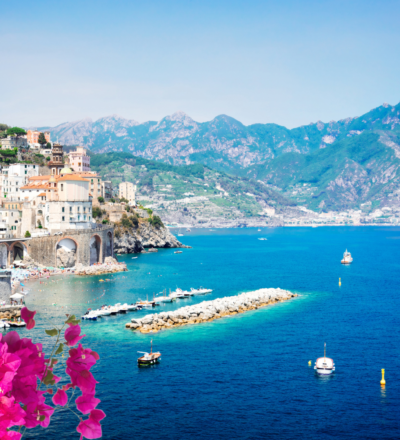
Getting on the water changes everything. We could write a paragraph about the views, but honestly, you need to see the coast from sea level to understand why people lose their minds over it. A private boat charter along the coastline takes you past the Faraglioni rocks and through the Fjord of Furore, into sea caves you cannot reach on foot. We usually have our guests stop at the Li Galli islands for a swim, then head to Nerano for lunch. The spaghetti alla Nerano was invented there, and the versions served on the beach are still the best.

The Path of the Gods is as good as everyone says. The Sentiero degli Dei covers 7.8 kilometres between Agerola and Nocelle, sitting about 500 metres above the water. Takes roughly three hours if you are not rushing. The trick is timing: start early enough and you reach Nocelle when the afternoon light catches Positano from above. Our guides have walked it hundreds of times and they still stop to look.

Cooking here is not a performance. Forget the staged cooking classes where twenty tourists make pasta together. Our foraging experience sends you into the terraced hillsides above Amalfi town. You pick wild herbs, pull vegetables from the garden, and then cook a four-course lunch with the family who grows the food. Lemons bigger than your fist. San Marzano tomatoes from volcanic soil. Buffalo mozzarella made that morning in Tramonti. Nothing complicated. That is the whole point.

Ravello after dark is something else. The village sits 350 metres above the sea. Classical concerts run at Villa Rufolo from June through September, and the gardens look out over the entire coast. Pair a performance with dinner at one of the tiny family restaurants in the village centre and you have got yourself a night you will not forget. About 2,500 people live up there. It feels like a different country from Positano.

And then there is Conca dei Marini. Population: roughly 700. The Grotta dello Smeraldo glows this impossible shade of green when sunlight hits an underwater opening just right. Go with a local fisherman before half nine in the morning, before the tour groups show up. Around the corner from the grotto is a small beach where nuns first baked the sfogliatella Santa Rosa back in the 17th century. You can still get one at the bakery nearby. It is better than any version you have had in Naples, and yes, we will argue about that.

When is the best time to visit the Amalfi Coast?

September. If we could only recommend one month, that would be it.

The sea is still warm, sitting at 24 to 26°C, so you can swim well into October if you are lucky. Vineyards on the hillsides are mid-harvest. Hotel prices drop 20 to 30 percent from August peaks. And the crowds? Roughly 60 percent smaller than the madness of summer. Our guests who come in September consistently give higher satisfaction scores than those who visit in July or August. Not a small difference, either.

May runs a close second. The lemon groves are blooming, wisteria hangs over village pergolas, and by late month the water is warm enough for swimming. The road gets busy but it is manageable. June works too, though once mid-month hits, temperatures push past 30°C and it starts to feel properly hot.

A word about August: avoid it if you can. Ferragosto falls on August 15th, and that single holiday pulls more than 500,000 visitors onto this 50-kilometre stretch of coast. Hotels charge their highest rates. Restaurant reservations need weeks of planning. The coastal road can lock up for hours. If August is your only option, we can still make it work, but we will be honest that September or May would serve you better.

Month Avg Temp Sea Temp Rain Days Crowd Level Best For
January 10°C 14°C 9 Very Low Off-season rates, local life
February 10°C 14°C 8 Very Low Carnevale, quiet exploration
March 13°C 14°C 8 Low Early spring, almond blossoms
April 16°C 16°C 7 Medium Easter, wildflowers, mild days
May ★ 20°C 19°C 5 Medium-High Lemon bloom, ideal weather
June 24°C 23°C 3 High Beach season, long evenings
July 27°C 26°C 2 Very High Peak summer, hot
August 28°C 27°C 2 Extreme Ferragosto, peak pricing
September ★ 24°C 25°C 5 Medium Harvest, warm sea, best value
October 20°C 22°C 8 Medium Autumn colours, chestnut festivals
November 15°C 19°C 10 Low Truffle season, olive harvest
December 11°C 16°C 9 Low Christmas markets, Nativity scenes

Where should you stay on the Amalfi Coast?

Where you sleep determines what kind of trip you will have. This matters more than people realise.

Positano is the glamour pick. Boutique terraces, designer shops, that famous cascade of pastel houses. Rooms during high season run €400 to €800 a night at decent properties. What nobody warns you about: steps. Almost nothing sits on flat ground here. The walk from the main road to Spiaggia Grande drops roughly 300 steps. Great legs workout. Less great with luggage.

Amalfi town is where we start most of our guests, and there is a practical reason. Bus terminal, ferry port, main piazza: all within a couple of hundred metres. You can reach Positano, Ravello, and the smaller villages without relying on a car. The restaurants here lean more Italian, less international. Which is a good thing.

Ravello trades beach access for altitude and quiet. At 350 metres above sea level, with a population of about 2,500, it has some of the coast’s finest hotels and the Wagner-inspired gardens that made it famous. You will not walk to a beach from here. But if what you want is peace, good wine, and that view, Ravello delivers.

Praiano is our quiet recommendation. Sits between Positano and Amalfi, fewer than 2,000 residents. A handful of restaurants that are good enough to drive to on purpose. Direct access to the Path of the Gods trailhead. And nightly rates? About 30 to 40 percent below Positano for comparable quality. It is where we send people who want the coast without the theatre.

How to plan an Amalfi Coast itinerary

Four to five nights. That is the honest minimum for a trip that does not feel rushed.

We have seen people try to squeeze three towns into two days and leave feeling like they saw everything and experienced nothing. This coast rewards patience. Evenings hold the real magic. After the day-trippers leave and the villages settle back into their actual rhythm.

5-day essential itinerary (from €2,800/person):
Days one and two in Amalfi or Praiano. Walk over to Atrani, explore the Duomo, join the evening passeggiata when the locals come out. Day three: private boat along the coast with swimming stops and lunch in Nerano. Day four: Path of the Gods in the morning (start early), Ravello gardens and a concert in the evening. Day five: day trip to Capri by private boat, returning at sunset.

7-day complete itinerary (from €4,500/person):
Same foundation, but add two nights in Positano. Include a foraging and cooking day in the hills above Amalfi, a wine tasting in Tramonti (the coast’s only DOC wine zone, and almost nobody visits it), and a half-day at Pompeii or Paestum. If you are coming from Rome, we can route you through Pompeii on the way down so the drive becomes part of the trip instead of dead time.

All of our Amalfi Coast itineraries are built around what you care about. Tell us that and we will figure out the rest.

How to reach the Amalfi Coast

From Naples airport (NAP): Private transfer, 60 to 90 minutes depending on where along the coast you are headed. We set this up for every guest. If you prefer public transport, the Curreri shuttle runs to Sorrento (90 minutes, around €10) and from there you can grab a SITA bus or ferry.

From Rome: High-speed train from Roma Termini to Naples Centrale takes about 70 minutes. Then a private transfer to the coast. Three hours door to door, give or take. We also run private transfers direct from Rome to Ravello with a stop at Pompeii along the way, which turns what would be boring travel into the first day of your trip.

Frequently Asked Questions

How many days do you need on the Amalfi Coast?

Three nights at minimum, four or five if you can manage it. Three lets you settle into one base and visit two or three towns without feeling rushed. With five nights, split between two bases. Amalfi town works well first for its ferry connections, then Positano or Ravello for the final stretch. A single-day visit from Rome or Naples? It technically works, but you will miss what makes this coast special. The real character shows up in the quiet morning hours and after dinner, when everyone else has gone.

Is it better to stay in Positano or Amalfi?

Depends what you are after. Positano is all glamour: boutique terraces, designer shopping, and jaw-dropping views from your hotel window. But it comes with steep steps and steep prices (€400 to €800 a night in season). Amalfi town is flatter, better connected by ferry and bus, and the food is more authentically local. Praiano gives you similar views at 30 to 40 percent less, if you do not mind fewer restaurants. And Ravello? That is for the person who picks gardens and classical music over beach access. No wrong answer here, just different priorities.

Should I rent a car on the Amalfi Coast?

Short answer: no. The SS163 coastal road has one lane each way, blind hairpin turns, tour buses that take up more than their share, and local drivers who treat the horn as punctuation. In summer, certain licence plates are banned on alternating days. Parking in Positano borders on impossible and runs €30 to €50 daily where you can find it at all. Ferries, SITA buses, and private transfers reach every village. Or hire a dedicated driver for the day at €300 to €500. It eliminates every logistical headache and your driver doubles as a local advisor.

How do you get to the Amalfi Coast from Rome?

High-speed train from Roma Termini to Naples Centrale, 70 minutes, tickets start around €19. From Naples, private transfer to the coast takes 60 to 90 minutes depending on destination. So roughly three hours total. You can also drive or hire a private car from Rome (about three hours, €300 to €400 for the transfer). Either way, we suggest stopping at Pompeii or Paestum en route. Turns dead travel time into your first proper experience of the trip.

What is the best month to visit the Amalfi Coast?

September, and it is not particularly close. Sea temperatures still at 24 to 26°C, grape harvest in full swing, hotel rates 20 to 30 percent off August peaks, and crowds down by about 60 percent. May is nearly as good. Lemon bloom, wisteria everywhere, water warm enough for swimming by late month. June holds up until mid-month when the heat kicks in. August? If you have a choice, do not. Ferragosto on the 15th brings the entire coast to a standstill.

Is the Amalfi Coast worth visiting or overrated?

Completely depends on how you do it. A day trip from Rome in August where you fight bus crowds for a photo in Positano? Yes, that will feel overrated. Four nights in September with someone local who takes you to Cetara’s fishermen, Atrani’s empty piazzas, and swimming coves in Conca dei Marini that do not appear on any map? That is a different trip altogether. The coast rewards people who slow down and look past the three villages that dominate every travel blog.

How much does a private tour of the Amalfi Coast cost?

Private driver for a full day: €300 to €500. Private boat with captain: €800 to €2,000 depending on the boat and duration. A complete guided experience (accommodation, guides, exclusive access, meals) runs €500 to €1,200 per person per day. What moves the price: time of year (August adds 20 to 30 percent), group size, hotel category, and whether you want extras like private cooking classes or after-hours site access. Our Amalfi Coast itineraries have specific breakdowns.

Can you do the Amalfi Coast as a day trip from Rome or Naples?

From Naples it is doable. About 90 minutes by car or train, which leaves enough time for one or two towns before heading back. From Rome, the three-plus hours each way leaves almost no time on the coast itself. We genuinely do not recommend it. If one day is all you have got, start from Sorrento or Salerno with a private driver and focus on Amalfi and Ravello. But to really get what this place is about, three nights is the practical minimum.

Explore More of Southern Italy

The Amalfi Coast sits right in the middle of Campania, which is one of those regions that could fill two or three weeks on its own; Naples is 90 minutes away. So is Pompeii. The volcanic vineyards climbing up Vesuvius are even closer. A quick ferry from Amalfi or Positano gets you to Capri. The Blue Grotto and Augustus Gardens can fill a solid day.

Guests spending ten days or longer in the south often add Puglia, where the pace drops another notch. Olive groves, trulli houses, seafood that might be the best in the Mediterranean. And if you are heading all the way down, Sicily brings Greek temples, live volcanoes, and a food tradition that operates by its own rules entirely.

Every Amalfi Coast trip we put together starts with a conversation, not a catalogue. Tell us what matters to you and a destination specialist who actually knows this coastline will build something around it. No obligation. No hard sell.

Plan Your Amalfi Coast Experience →